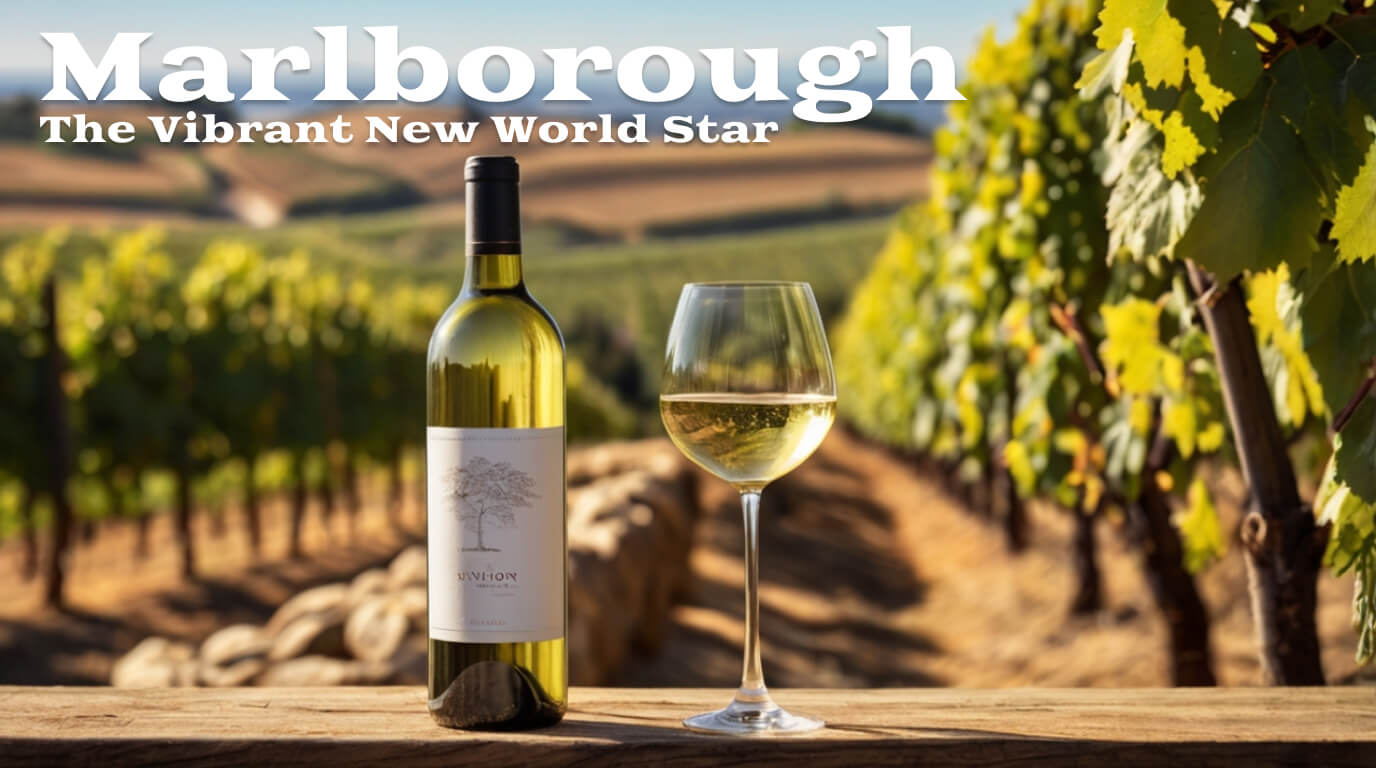
Imagine two glasses of Sauvignon Blanc. One bursts with gooseberry and citrus, leaping out of the glass. The other is more restrained, with notes of sea salt, herbs, and wet stone. They’re made from the same grape, but were grown continents apart. This is the elegant tension between the Loire Valley and Marlborough.
There are, of course, some quite striking geographical differences between the Loire Valley, France, and Marlborough, New Zealand. This is not the only thing that separates the two regions though - in the New World, we might see more of a willingness to experiment, while French wines are more restrained and traditional. In this article, we will explore all of the key points that make the regions unique, and back up our points with some tasting recommendations.
The Sauvignon Blanc Grape – A Quick Primer
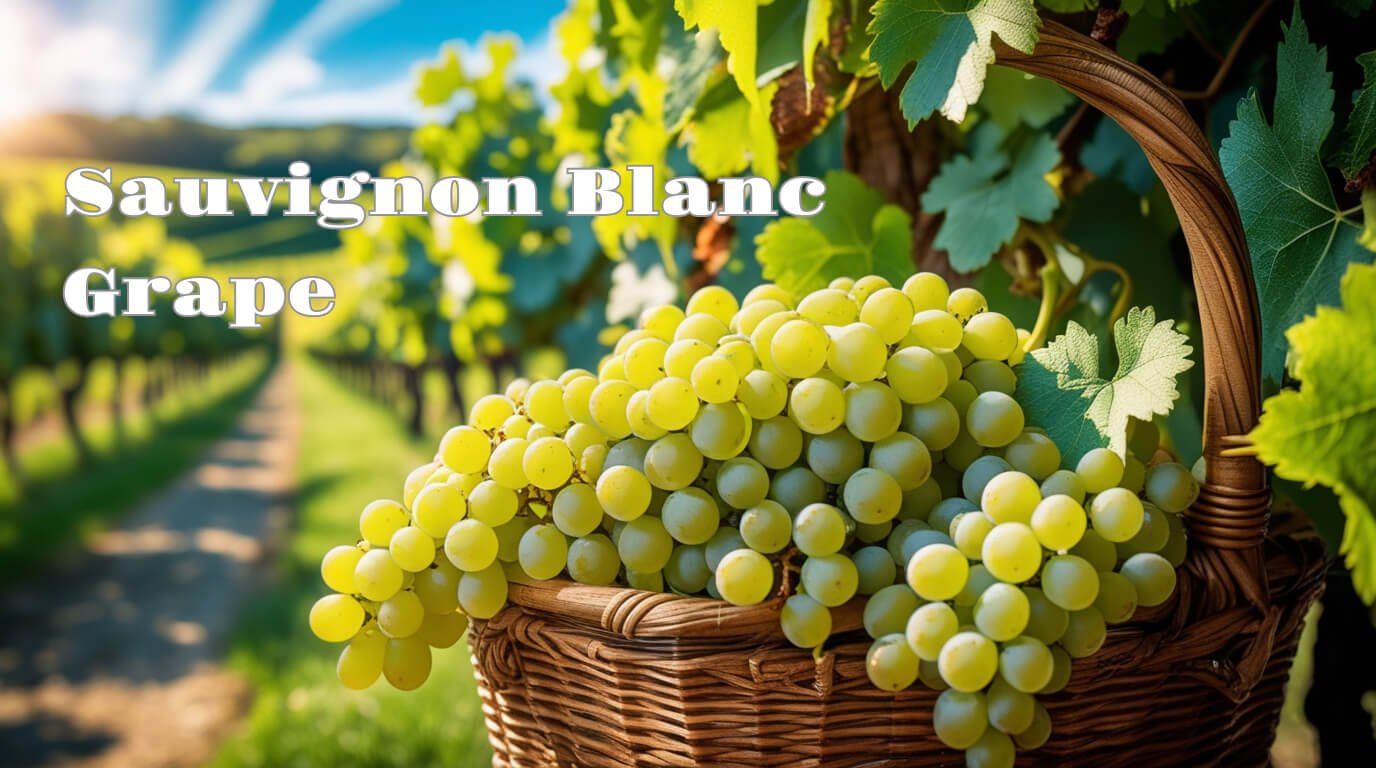
Like many of the world’s famous grapes, Sauvignon Blanc comes from the Bordeaux region of France. Its exact lineage is unknown, and it is actually a parent to the widely consumed red wine grape, Cabernet Sauvignon. Sauvignon Blanc is best known for its fresh, acidic, green fruit character, with typical tasting notes including hints of grapefruit, gooseberry, melon, freshly cut grass, and herbs. The intensity of these flavours and the overall character of the wine largely depends on where it was made.
Sauvignon Blanc is grown all across the world, from California to Bulgaria. However, there are two regions that tower above the rest in terms of quality and critical acclaim, and have really made this versatile white grape their trademark. As mentioned already, these regions are the Loire Valley in France, particularly the appellations of Sancerre and Pouilly Fumé, and New Zealand, but particularly the region of Marlborough.
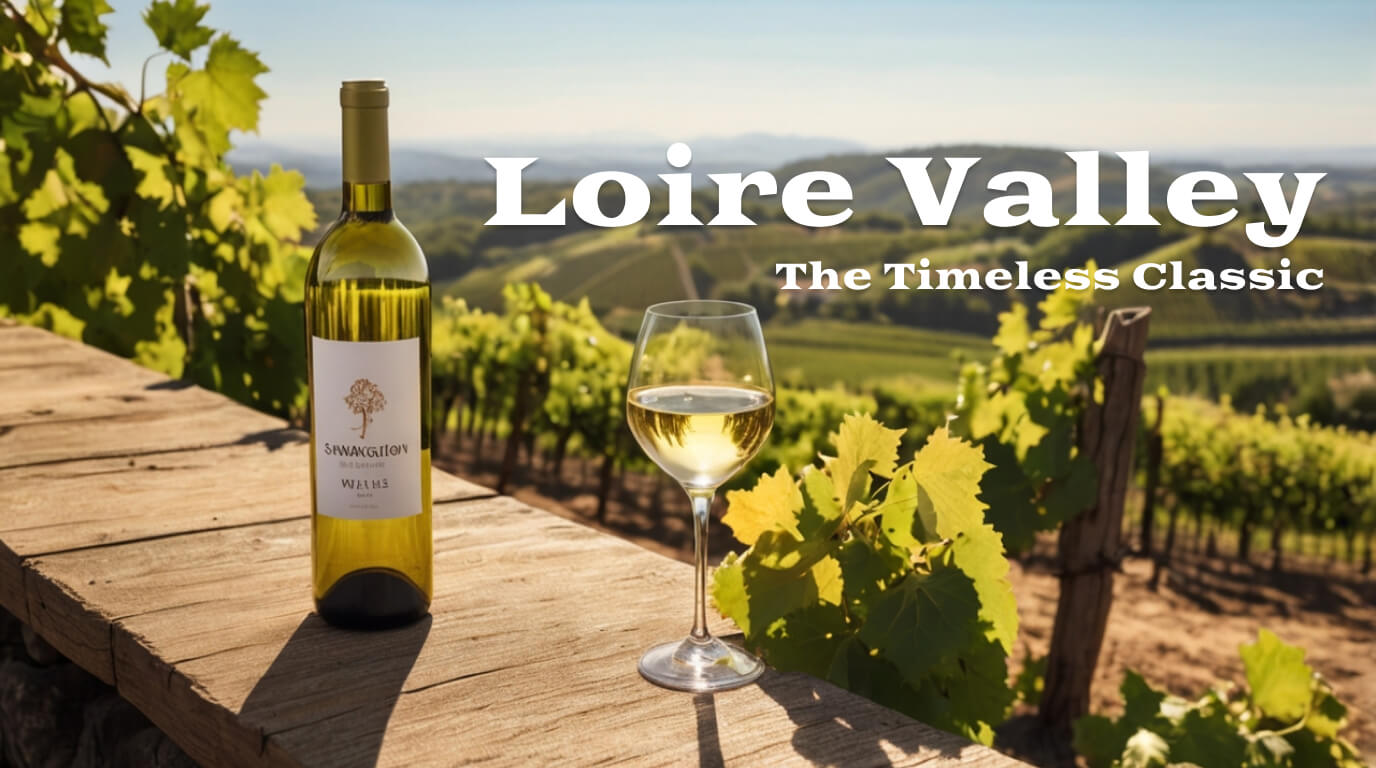
We would first like to introduce you to the elevated style of the Loire Valley, through the wines of Henri Bourgeois, a tenth-generation winery in the heart of Sancerre. The winery’s Sancerre d’Antan is a tense and steely white wine, with notes of white flowers and citrus rind. Its flinty mineral side is extremely typical of Loire Valley Sauvignon Blanc, and its full-bodied character makes it one of the best choices for getting acquainted with the region.